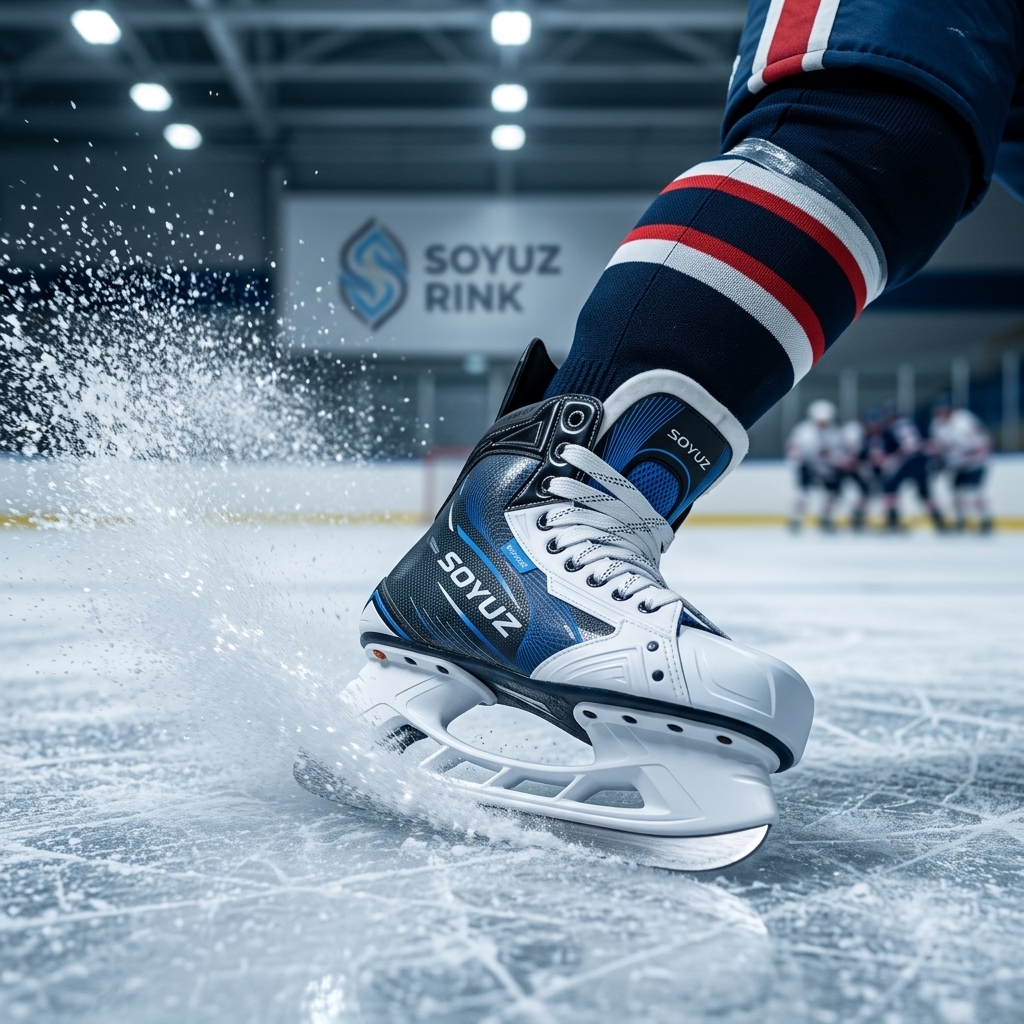
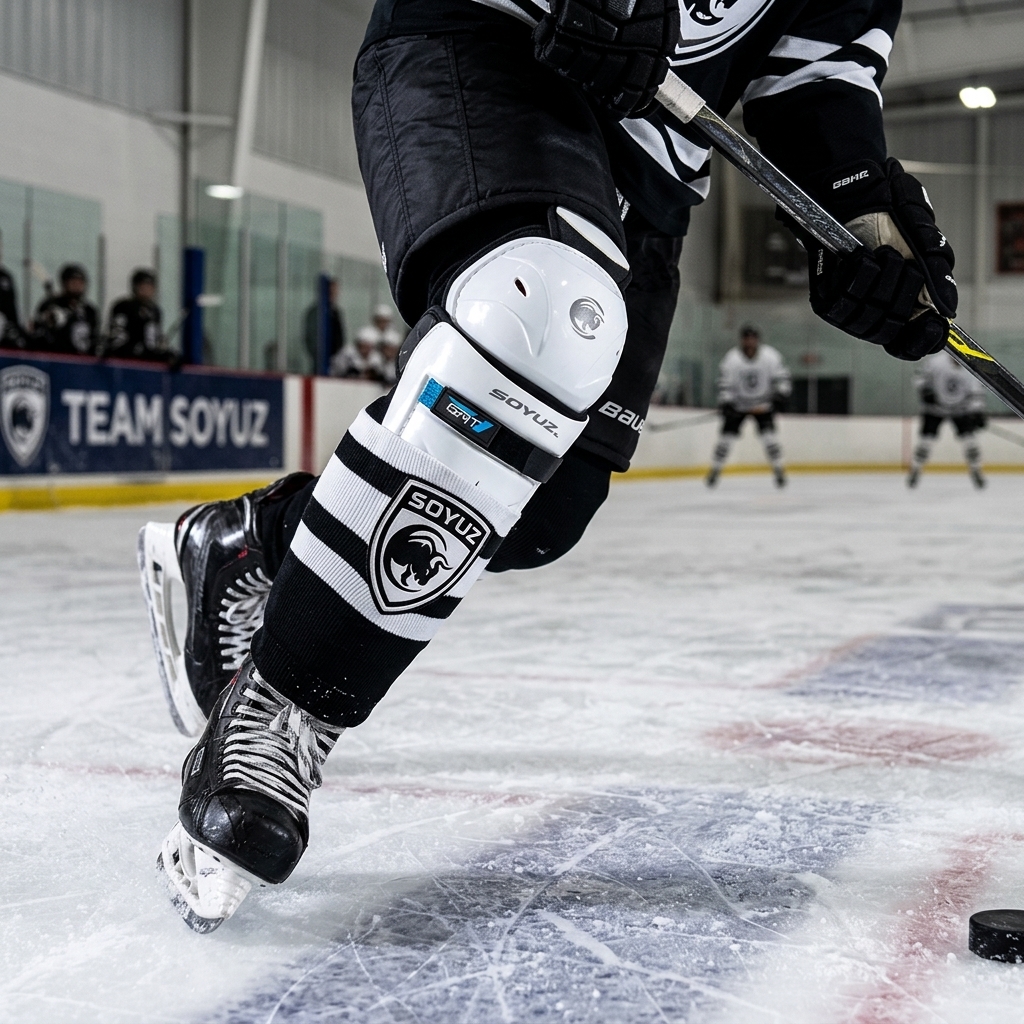
Ice hockey skates are one of the most critical pieces of equipment for players at all levels. A good pair of skates can enhance your performance, provide comfort, and protect your feet and ankles from injury. But with so many different types of skates available, it can be difficult to know which pair is best for your skill level. In this guide, we’ll break down the factors you should consider when choosing your skates, helping you make an informed decision whether you’re a beginner, an intermediate, or an advanced player.
1. Understanding Skate Construction:
The first step in choosing the right skate is understanding the basic components. All skates consist of the following key parts:
- Boot: The boot provides structure and support to the foot and ankle. It is typically made from various materials, including plastic, composite, or leather. Higher-end boots are made with more advanced materials that provide better support and responsiveness, while beginner skates tend to have softer, more comfortable boots.
- Blade: The blade of the skate is a vital element that affects both speed and control. High-quality skates feature sharpened, curved steel blades, which improve grip and performance. The blade’s profile varies based on the player’s position and style of play.
- Tongue: The tongue of the skate helps protect the foot from lace bite (irritation from laces pressing against the foot). Advanced skates tend to have thicker, more protective tongues for enhanced comfort.

2. Skill Level Considerations:
- Beginner Skates: For beginners, comfort is key. These skates generally have softer boots and basic blades designed for stability rather than performance. While they may not offer the same level of control as higher-end skates, they are great for players who are just starting out and still developing their skating skills.
- Intermediate Skates: As you advance, you’ll need skates that offer more responsiveness and support. Intermediate skates feature a stiffer boot and better blade technology. They allow for quicker turns, better speed, and improved ankle support, which is important as you become more aggressive in your movements on the ice.
- Advanced Skates: For advanced players, skates need to provide maximum performance, agility, and support. These skates are usually built with high-tech materials that offer a lightweight feel without sacrificing protection. They provide greater blade responsiveness, allowing players to perform at their highest level. Features such as enhanced ankle support, high-performance blades, and custom-fit options are often included.
3. Fitting Your Skates:
Proper fit is one of the most important factors in choosing your skates. Ill-fitting skates can lead to discomfort, blisters, and even injury. To ensure you get the right fit:
- Length: The length of the skate should be about 1-1.5 sizes smaller than your regular shoe size. The toe should lightly brush the front of the boot when standing, but not cause pain when skating.
- Width: Make sure the skate fits snugly around the entire foot without being too tight. Many skates come in various widths (e.g., narrow, medium, wide), so ensure you choose the right one for your foot shape.
4. Blade Profile:
The blade profile affects your maneuverability and speed. As a general rule:
- Shallow Radius: Ideal for players who need more quick turns and agility. This profile is often preferred by forwards who need to change directions quickly.
- Deep Radius: Designed for stability and speed. This profile works well for defensemen and goalies who need to maintain a steady edge during long strides.
5. Maintenance Tips:
Once you’ve chosen the right skates, proper maintenance is essential to keep them performing at their best. Regularly sharpen your blades, check for loose screws, and store your skates in a dry, cool place to prevent rusting.